
EMI & RFI Shielding Through Precision Vacuum Metallizing
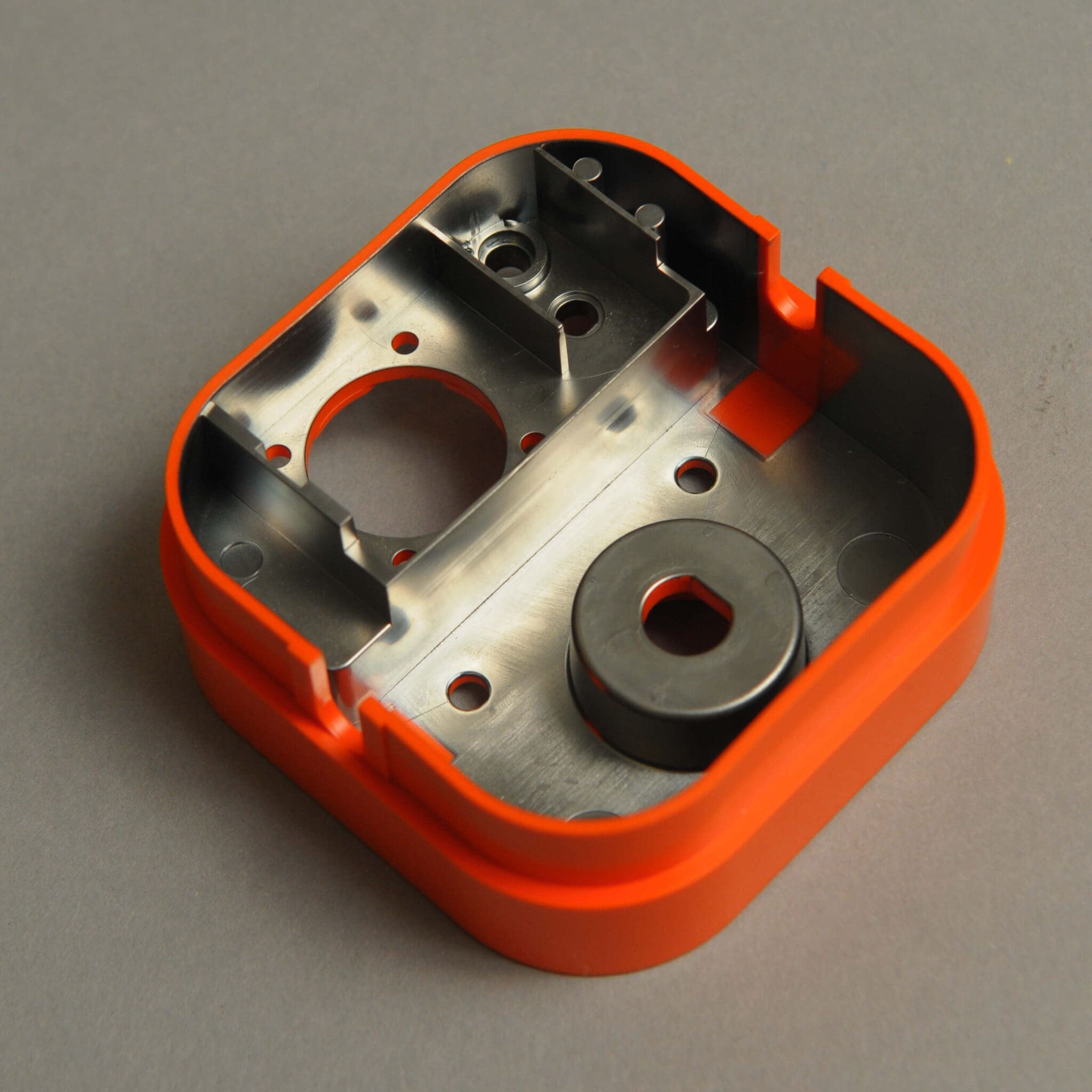
P-MT applies thin, conductive metal films — copper, nickel, stainless steel, and aluminum — to plastic, carbon fiber, and glass components, giving lightweight parts the electromagnetic shielding of solid metal without the weight, cost, or design constraints.

UL-Approved Process · FCC Compliant · ISO 9001:2015 Certified · ITAR Registered · RoHS & REACH Compliant

What Is Vacuum Metallizing?
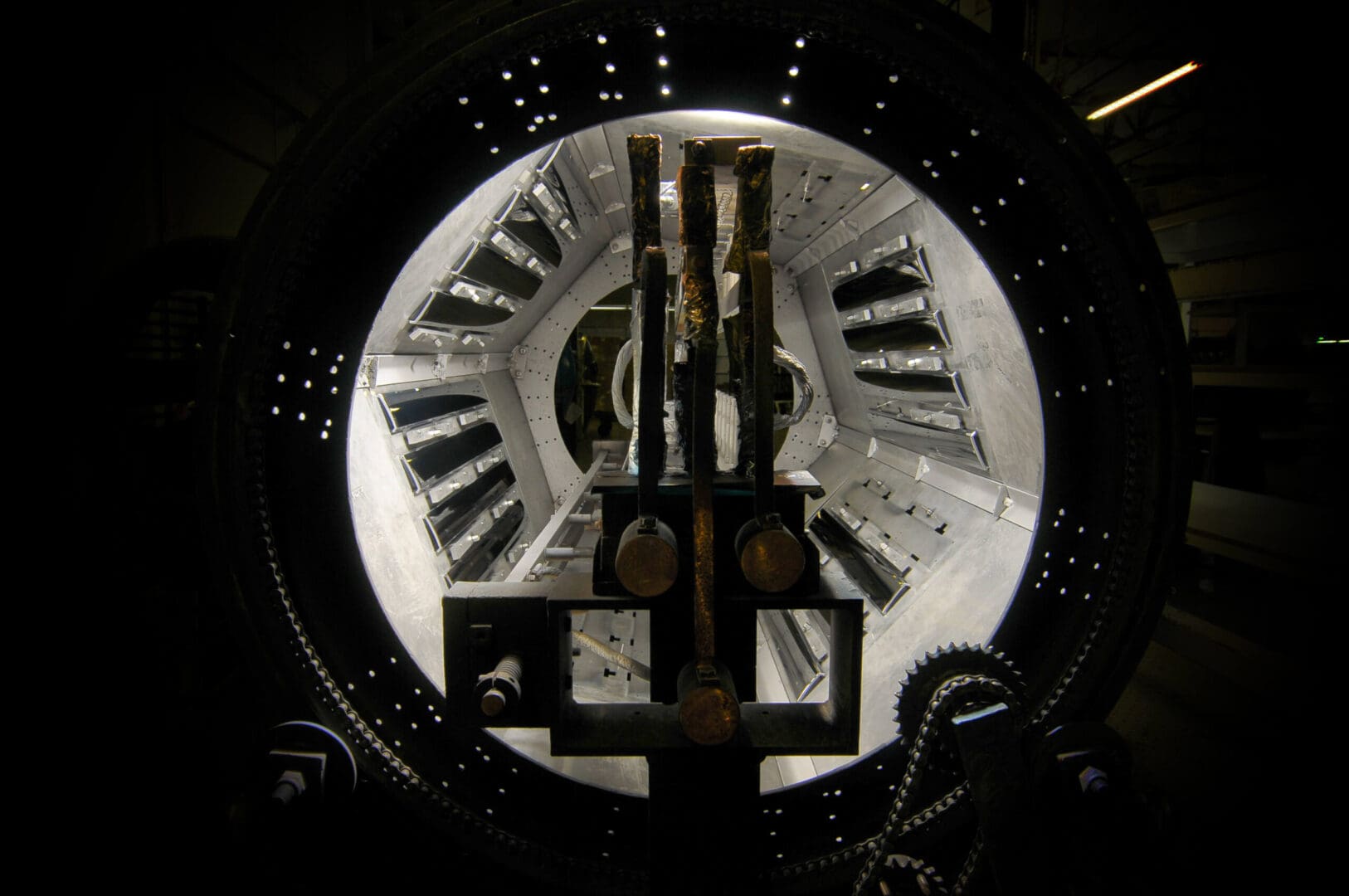
Vacuum metallizing (also called physical vapor deposition, or PVD) is a process that vaporizes metal inside a vacuum chamber and condenses it as a thin, conductive film — typically 1 to 2 microns thick — onto the surface of a part. For EMI/RFI shielding applications, that metal layer creates a continuous conductive barrier that blocks electromagnetic and radio frequency interference, without adding meaningful weight or altering part dimensions.
P-MT uses this process to metallize plastic housings, carbon fiber components, and glass enclosures for OEMs who need shielding performance in place of solid metal.

Vacuum Metallizing vs. Solid Metal, conductive Paint & Electroplating
|
|
Vacuum Metallizing | Solid Metal Housing | Conductive Paint |
| Weight | Lightweight (micron-thin coating) | Heavy | Lightweight |
| Shielding Effectiveness | High, Consistent | High | Variable, degrades over time |
| Design freedom | Coats complex geometries | Limited by machining/forming | Coats complex geometries |
| Cost at volume | Lower | Higher (material + machining | Lower upfront, higher lifecycle cost |
| Durability | Durable, adheres to substrate | Very durable | Prone to chipping, wear |

How We Metallize Your Parts
- Surface preparation — parts are cleaned and prepped to ensure adhesion
- Custom masking — precise masking protects areas that must remain uncoated
- Vacuum deposition — copper, nickel, aluminum, or stainless is vaporized and deposited in a controlled vacuum chamber. Typically applied in two layers where copper is the base layer, followed by Al, Ni, or SS.
- Adhesion & conductivity verification — coated parts are tested to confirm shielding effectiveness. Point to point measurements or 4-point probe (sheet resistance) measurements depending on customer requirements.
- Quality inspection & shipment — parts are inspected against spec and PMT's inspection plan before delivery
Metals & Substrates
Metals:
- Copper - Highest conductivity, ideal where maximum shielding effectiveness is required. Our base layer for all of our standard metallization processes
- Nickel - Corrosion-resistant, durable in harsh environments.
- Aluminum - lightweight, excellent shielding efficacy, best suited for high-volume applications.
- Stainless Steel - corrosion and wear-resistant, suited for demanding environmental conditions.
Substrates:
- Injection-molded plastics
- Carbon-fiber and composite materials
- 3D-printed / additive-manufactured parts
- Glass housings and enclosures
- Adhesion promoters and other materials
Built for Regulated, High-Reliability Industries


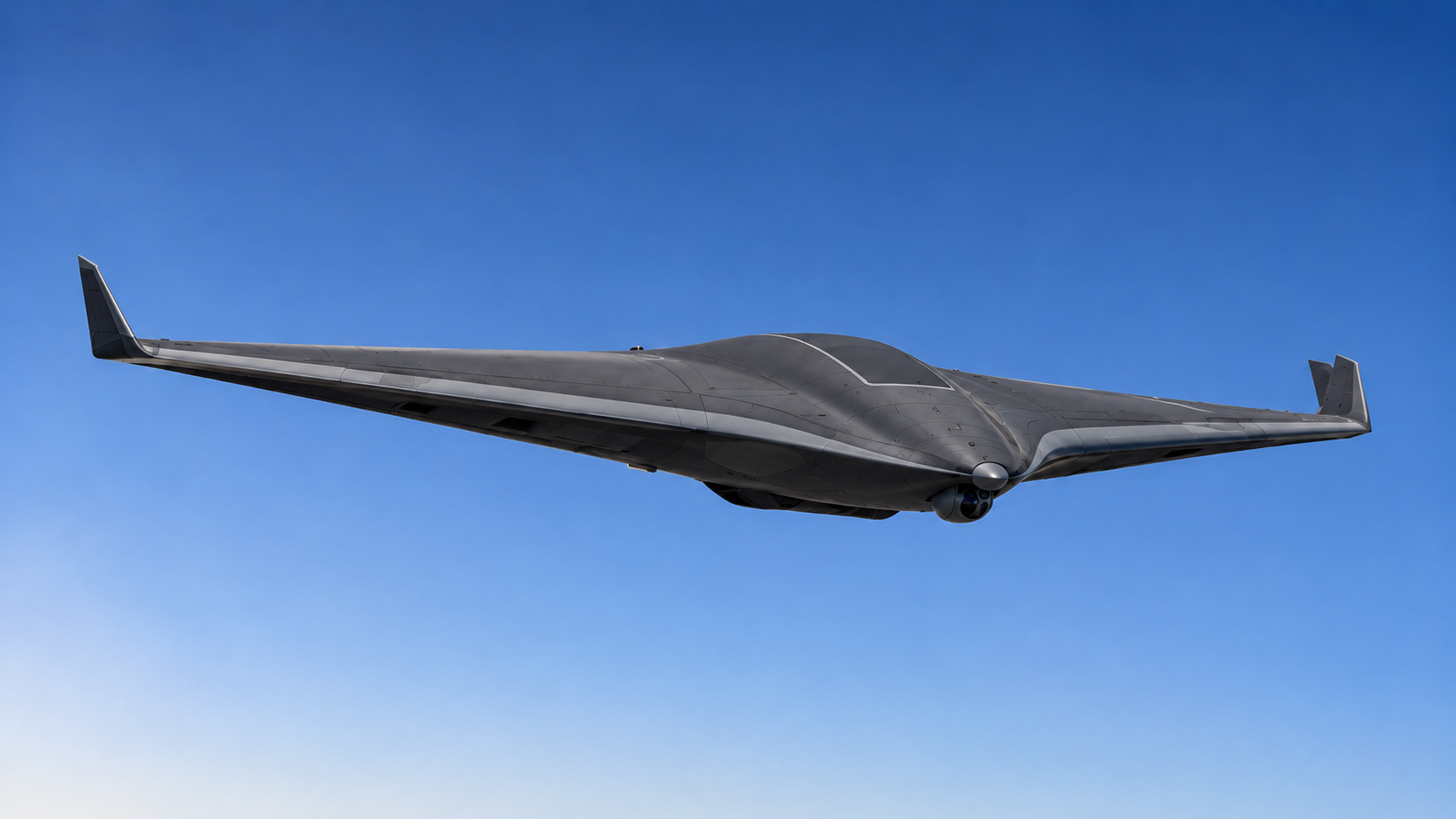
Aerospace / UAS

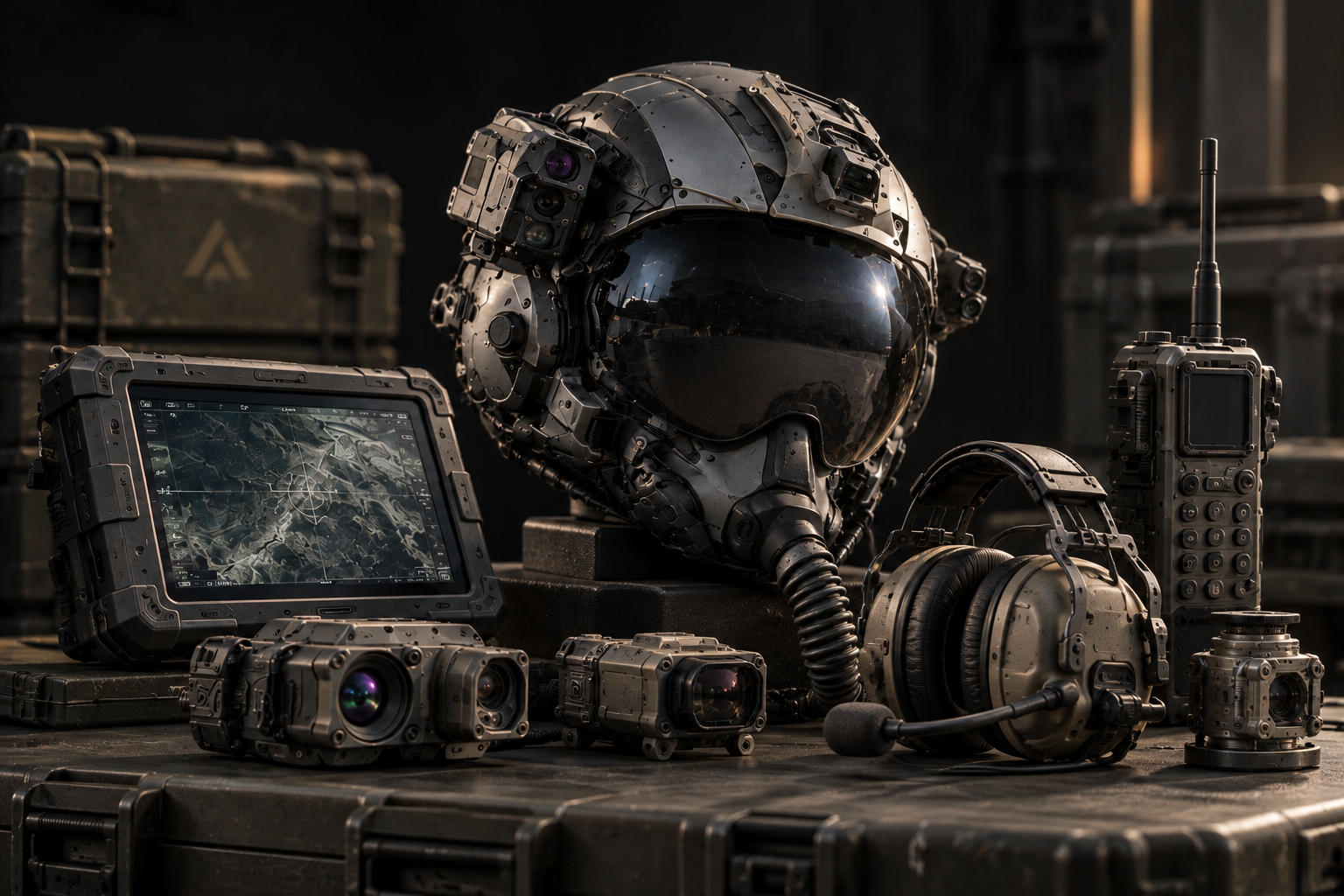
Defense

Test & Measurement
Certified Quality, Compliant by Design
- ISO 9001:2015 - Certified quality management system
- UL-Approved Process - shielding process meets UL requirements
- FCC Compliant - coatings support FCC EMI/RFI regulatory requirements
- RoHS Compliant - free of restricted hazardous substances
- REACH Compliant - meets EU chemical safety regulations
- ITAR Registered - approved to work with controlled defense technologies
Frequently asked questions
What is EMI/RFI shielding and why does it matter?
EMI (electromagnetic interference) and RFI (radio frequency interference) shielding prevents electronic devices from emitting or receiving unwanted electromagnetic signals. It's required for FCC compliance and to keep sensitive electronics from interfering with each other.
Can vacuum metallizing be applied to carbon fiber or glass?
Yes. In addition to plastics, P-MT vacuum-metallizes carbon fiber composites and glass housings, applying the same thin conductive metal film for shielding performance.
How thick is the metal coating?
Coatings are typically 1 to 3 microns thick — thin enough to add negligible weight while providing a continuous conductive shielding layer.
Does vacuum metallizing affect part dimensions or tolerances?
No. Because the coating is measured in microns, it does not meaningfully alter part dimensions or fit.
Is P-MT's process compliant for defense and aerospace work?
Yes. P-MT is ITAR registered and ISO 9001:2015 certified, and our process is UL-approved and FCC compliant.